Cultura
Bluetooth speaker redesign for the loud and cramped world of family-run food trucks.
Year
2025
2 months
Discipline
Reverse Engineering
Branding
Prototyping
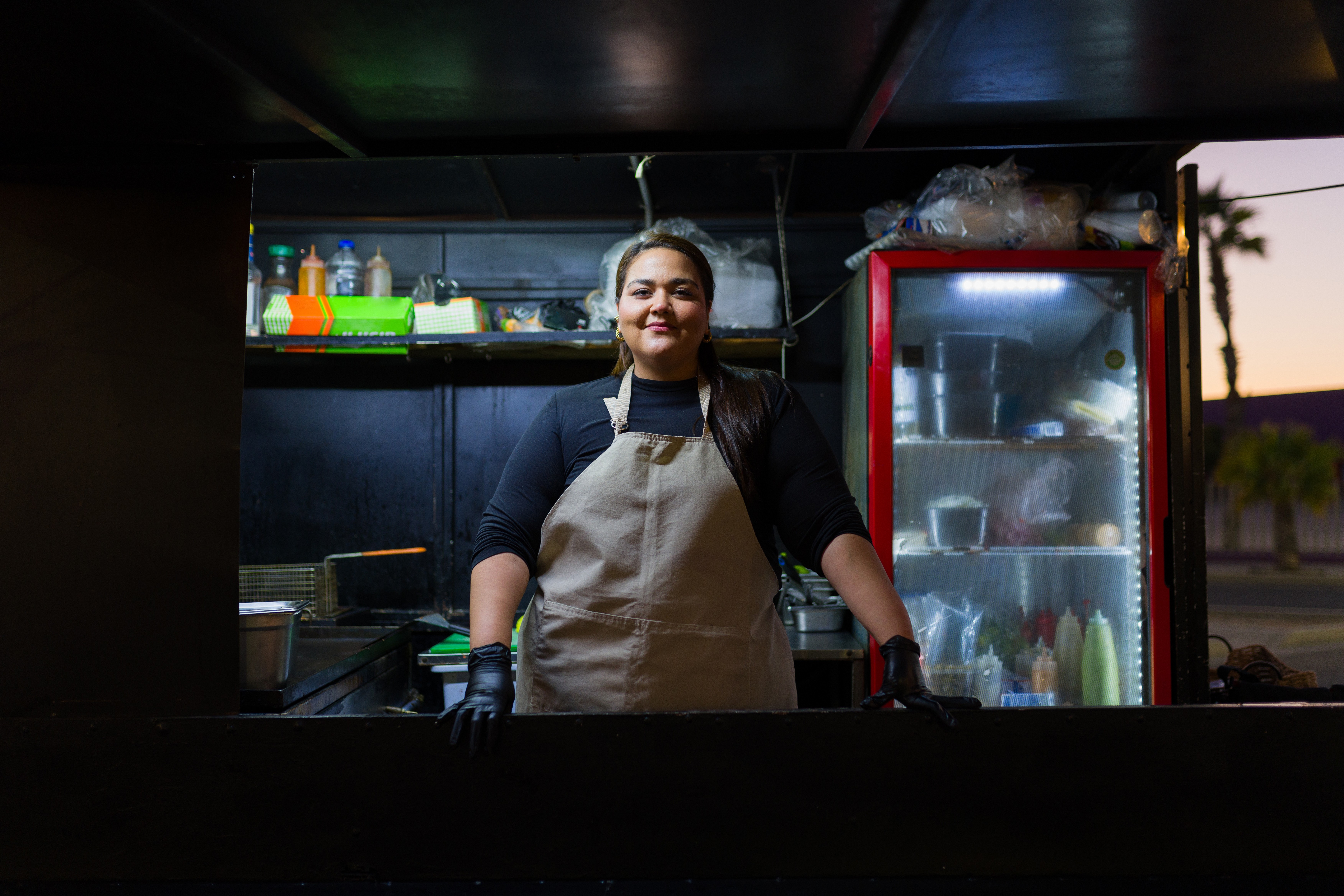
Existing speakers weren’t built for this environment.
I always get a quesadilla from this on-campus, family-run food truck. But every time I went there, I couldn’t help but notice their greased-up JBL on the counter.
And then I wondered. Is this a problem for food truck owners?
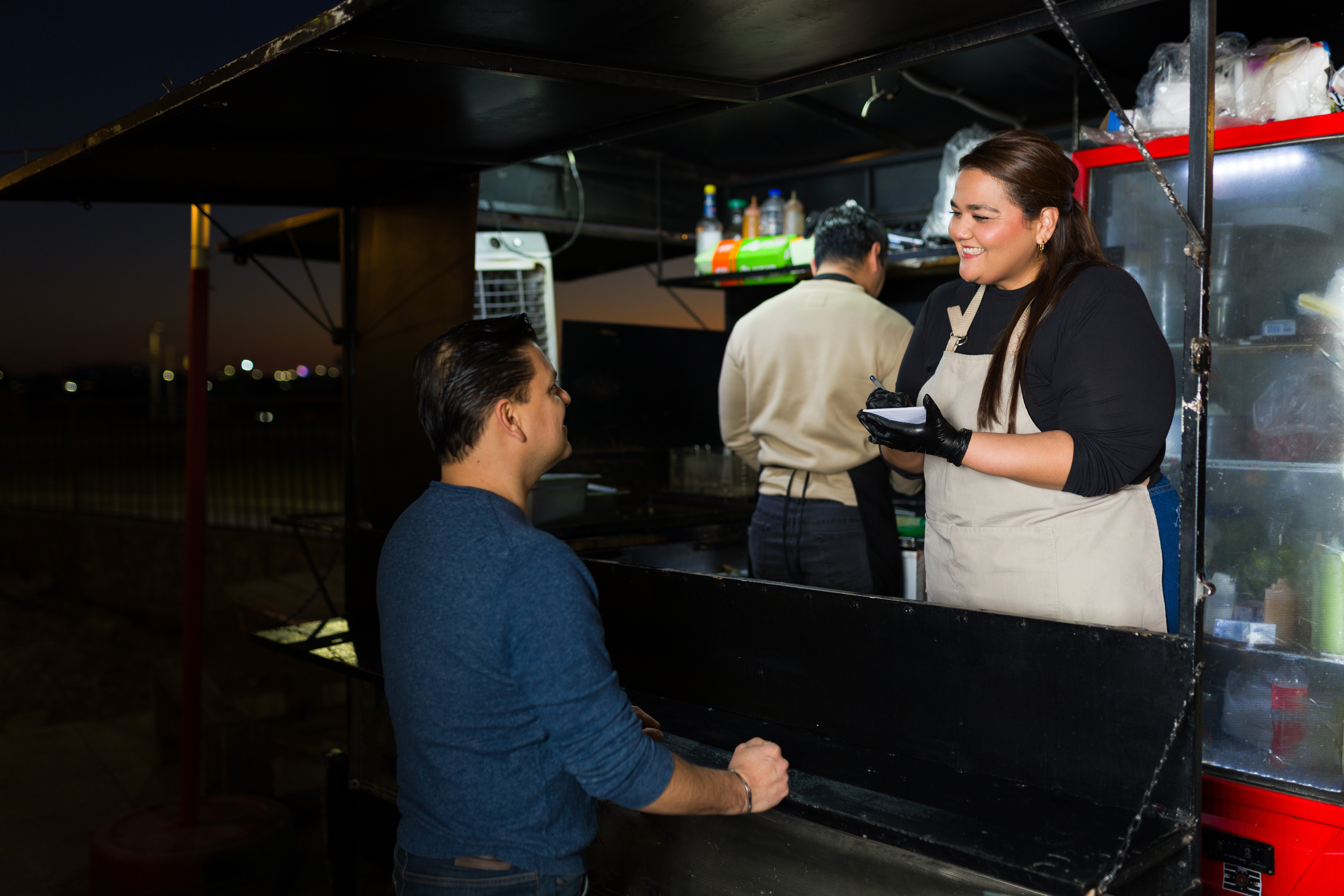
A family running a food truck, together.



Interviews
Market trend
A scan of the current market showed the category splitting into two lanes: low-durability speakers under $50 and premium waterproof models near $80–130 built for outdoor use.
The common theme we noticed was the small buttons, fabric material, and unremovable grills. None of these were suitable for a fast-paced kitchen with messy hands.
(And they all look the same)


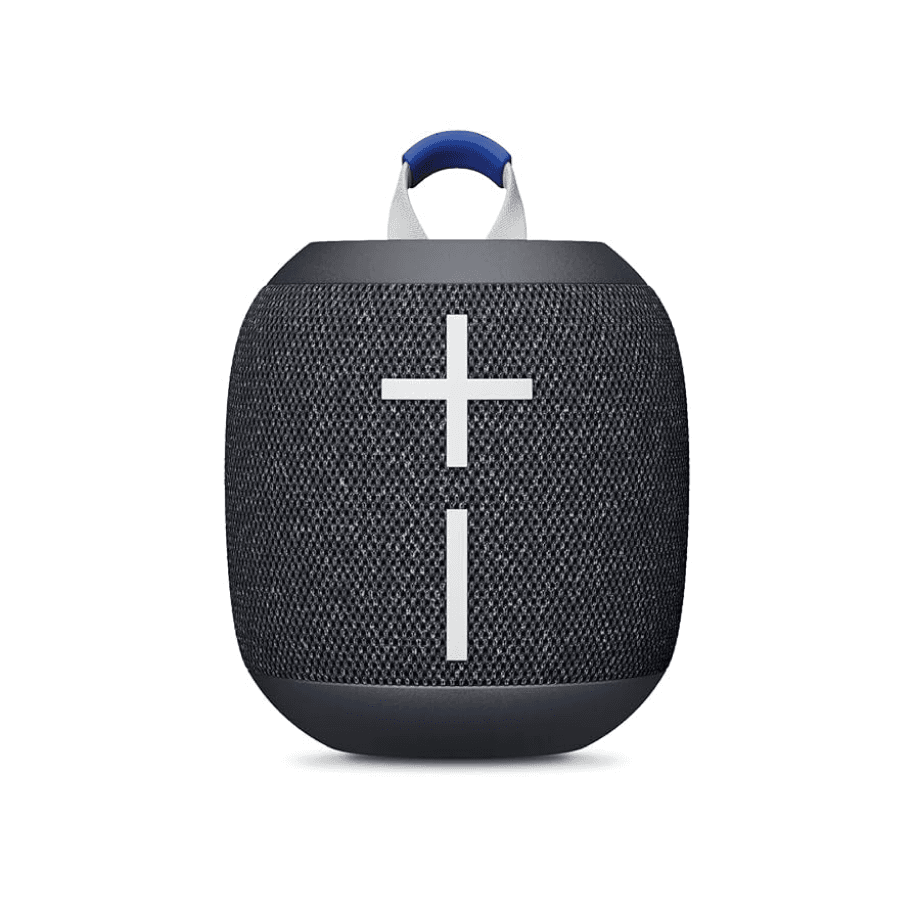


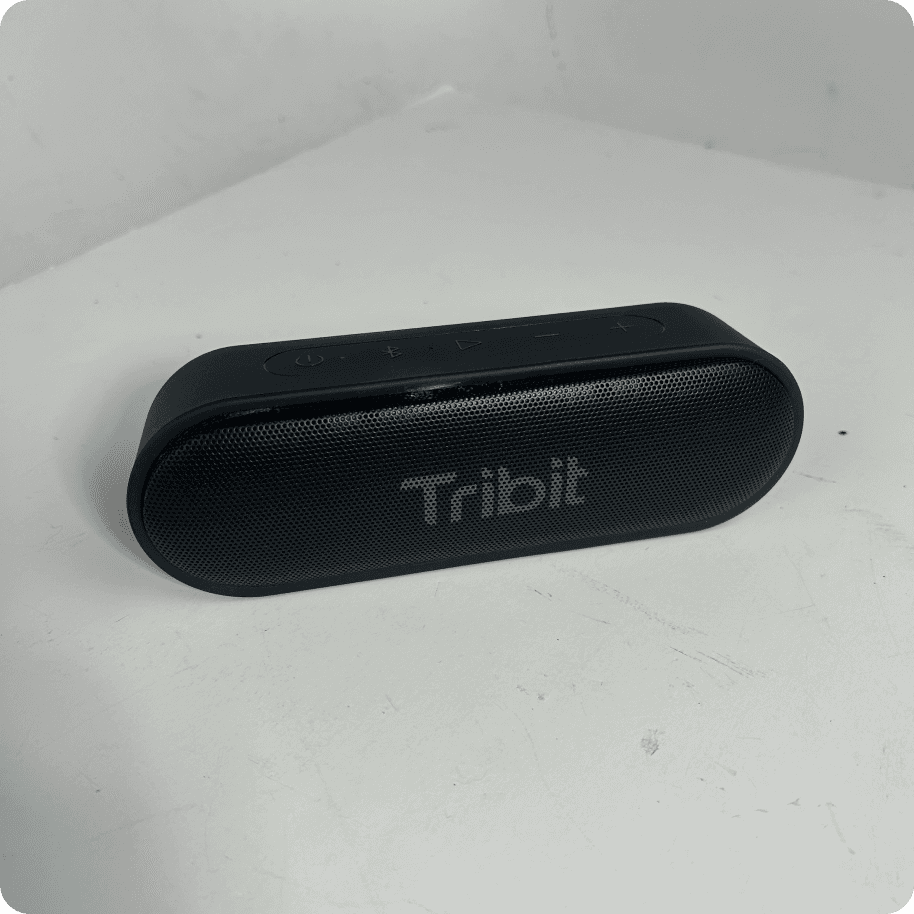
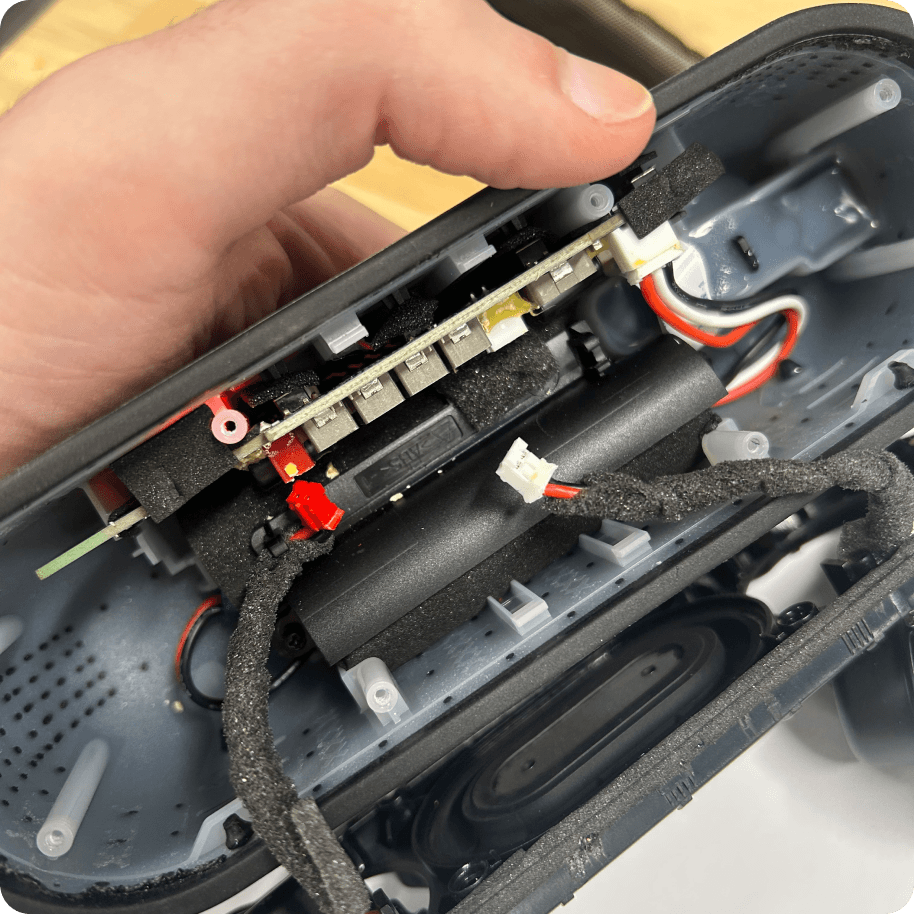


Reverse engineering a bluetooth speaker
To design a better one, we had to understand how a current one is actually built. We fully disassembled a market speaker — grill, diaphragms, motherboard, battery, aux port — to map every constraint we’d be designing around.

Design Research Methods
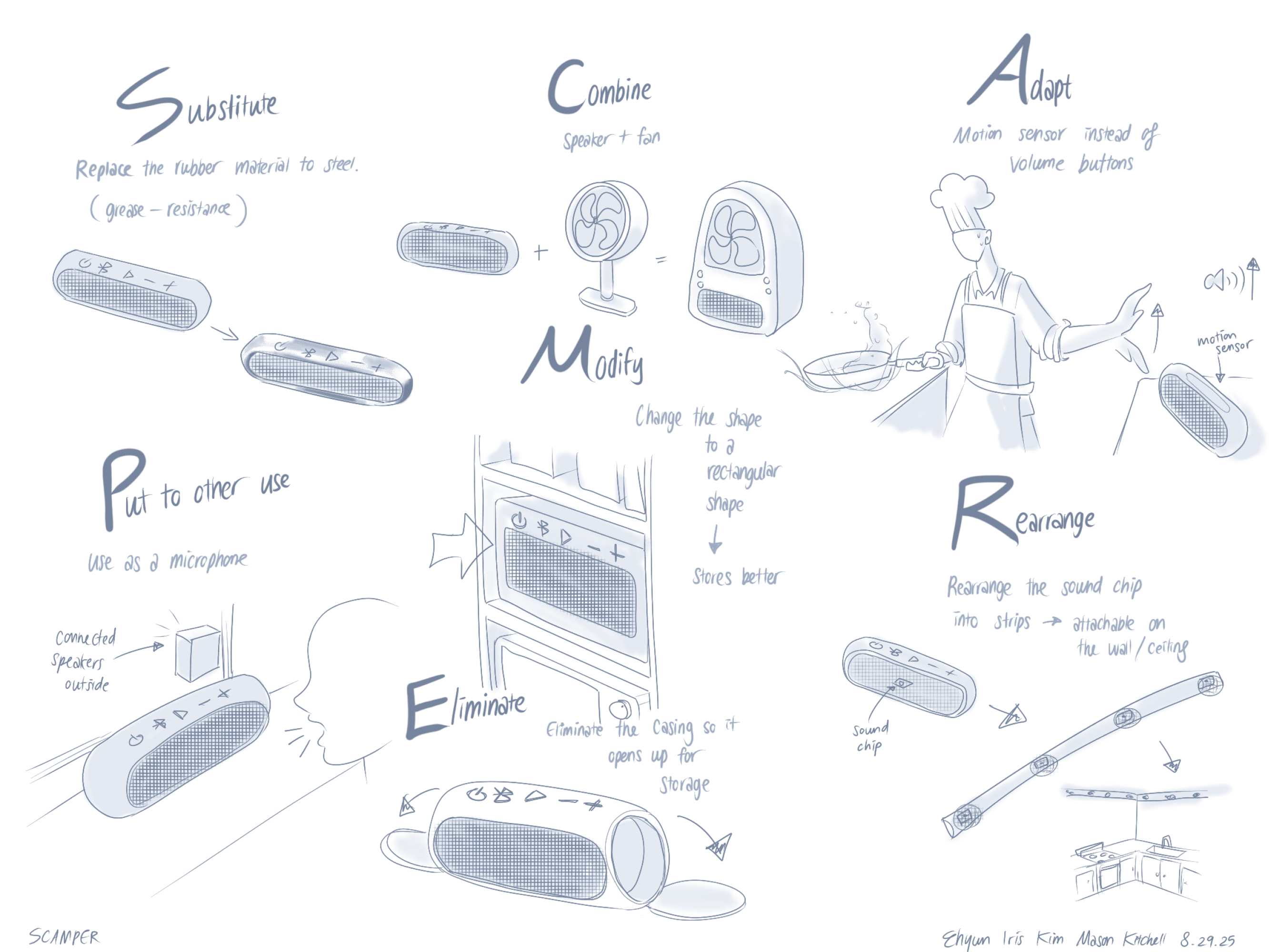

Journey map

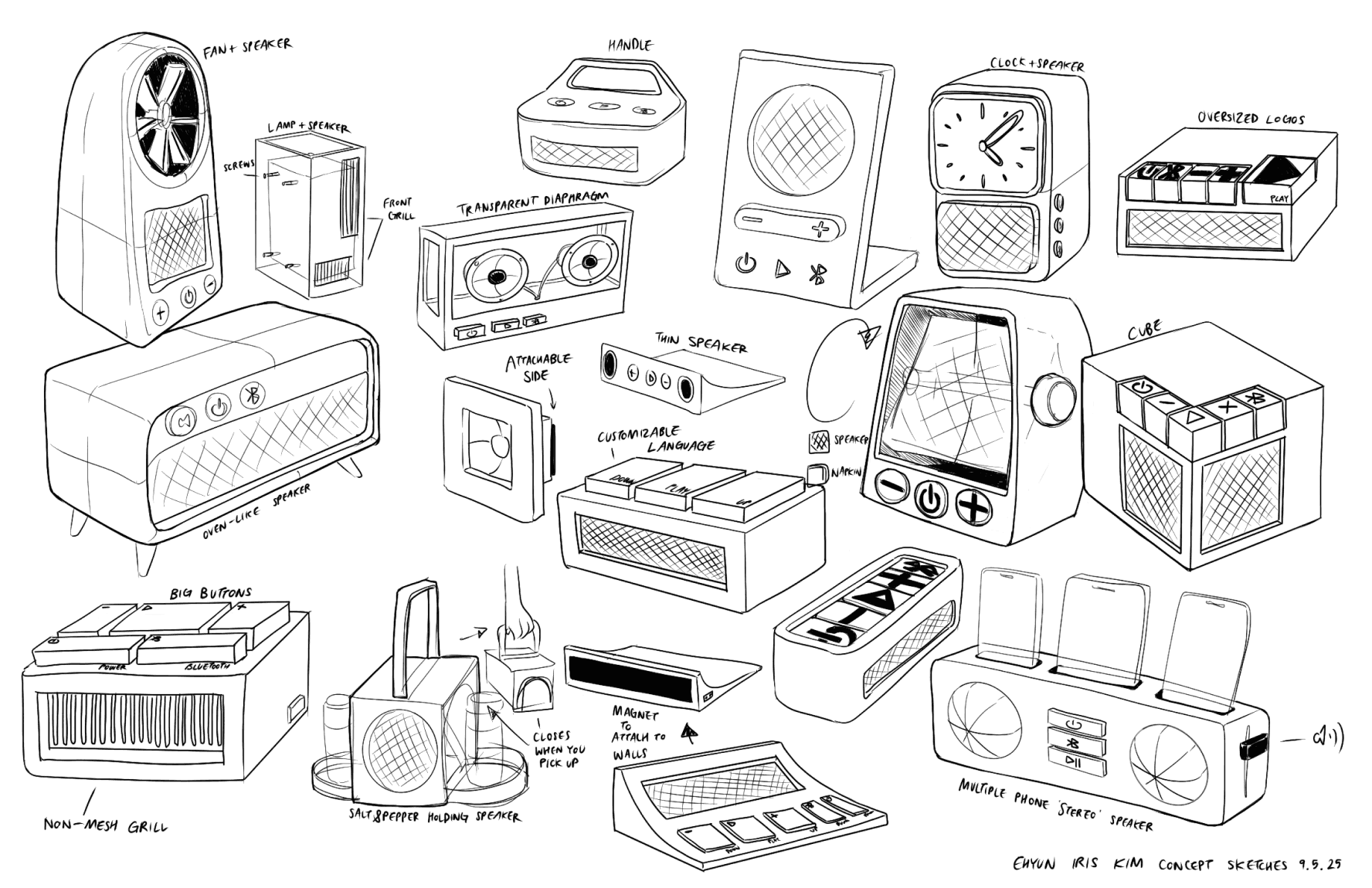
Ideations


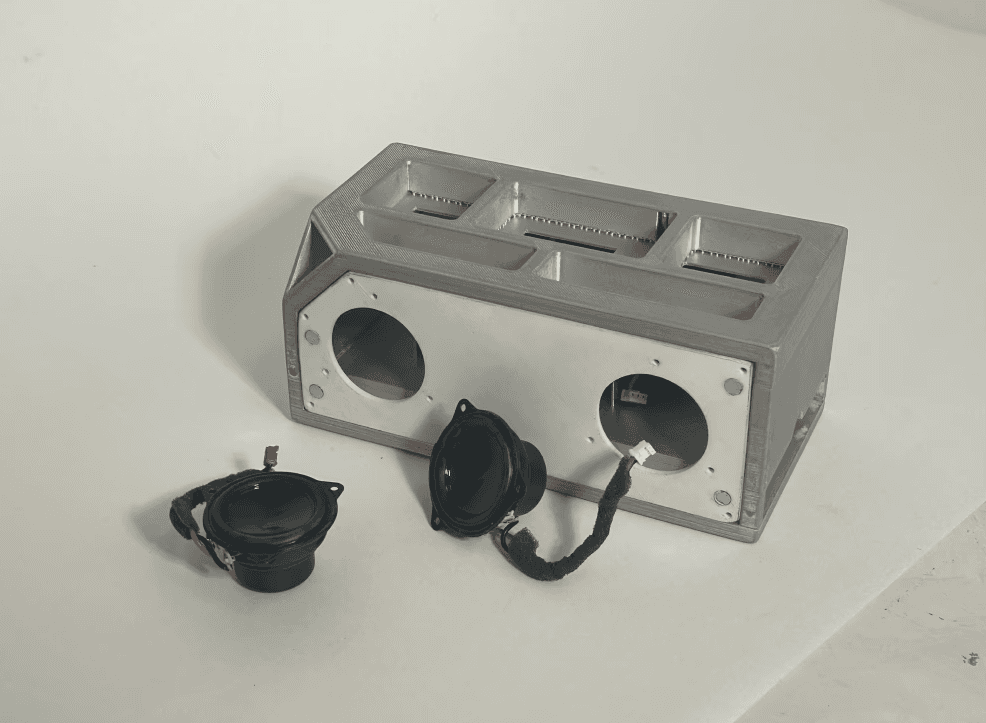
Prototyping


3D Printing



Notable Features

Accessibility
Oversized buttons to be able to push with wrists or elbows.
Magnetic sides can mount anywhere in the kitchen walls, keeping the counter space free.

Material / durability
Steel casing and detachable grill for grease resistance and cleanability.


Branding
We wanted the design to reflect the identity and energy of food truck culture: bold typography, take-out box packaging, and a grill built around a customizable culinary identity system, so owners can shape the truck’s look and feel around their own food and story.


